
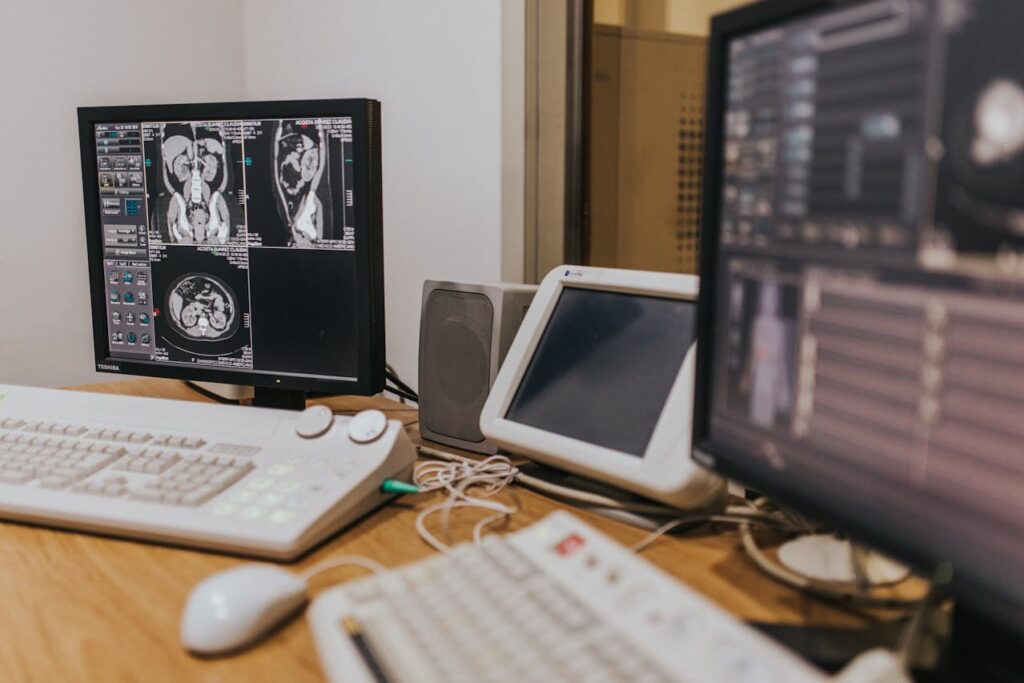
Introduction: The Dawn of Precision Healthcare – Integrated Bio-Diagnostic Frameworks
The healthcare landscape is undergoing a profound shift, driven by an increasing demand for personalized medicine and proactive patient management. Traditional diagnostic approaches, often reliant on broad screening and generalized treatment plans, are increasingly recognized as insufficient to address the complexities of modern disease. Says Sheila Busheri, the rise of integrated bio-diagnostic frameworks – systems that seamlessly combine genomic sequencing, proteomics, metabolomics, and other advanced analytical techniques – represents a paradigm shift, promising a future where diagnoses are more accurate, treatments are tailored to individual needs, and preventative care is significantly enhanced. This transformation isn’t simply about faster results; it’s about fundamentally changing how we understand and respond to illness. This article will explore the strategic implications of this evolving landscape, examining how clinical practice can adapt to leverage these powerful tools and ultimately deliver improved patient outcomes. The core concept revolves around moving beyond reactive treatment to a predictive and personalized approach, fostering a truly integrated healthcare experience.
1. Building the Foundation: Data Integration and Standardization
Successfully implementing integrated bio-diagnostic frameworks requires a robust foundation built upon data integration and standardization. Currently, the fragmented nature of data generated by various diagnostic tests – from blood samples to imaging – creates significant challenges. Each test produces its own data format, requiring laborious and often inconsistent processing. A crucial first step involves establishing standardized data formats and protocols across different laboratories and providers. This includes adopting terminologies like LOINC (Logical Observation Identifiers Names and Codes) and developing interoperability standards like HL7 FHIR (Fast Healthcare Interoperability Resources) to facilitate seamless data exchange. Furthermore, investing in robust data management systems – cloud-based platforms offering secure storage and analytical capabilities – is paramount. Without a consistent and accessible data pool, the full potential of these technologies remains unrealized.
2. Clinical Workflow Optimization – Seamless Transitions and Expert Interpretation
The integration of bio-diagnostics into clinical workflows demands a rethinking of traditional processes. Rather than simply adding a new test to the physician’s routine, the strategy must focus on optimizing the transition between testing and treatment. This involves training clinicians to effectively interpret complex data sets, recognizing that a single biomarker may not always provide a definitive diagnosis. Instead, clinicians need to consider the broader clinical picture, integrating genomic information with patient history, lifestyle factors, and other relevant data. The role of the biomedical data analyst – a skilled professional capable of translating complex data into actionable insights – becomes increasingly critical. Effective communication between clinicians, data scientists, and laboratory personnel is essential for successful implementation.
3. Precision Diagnostics and Personalized Treatment – Moving Beyond Screening
The true power of integrated bio-diagnostic frameworks lies in their ability to facilitate precision diagnostics. Rather than relying solely on screening tests, clinicians can now utilize biomarkers to identify individuals at risk for specific diseases, allowing for early intervention and preventative measures. This shift necessitates a move away from generalized screening towards targeted testing based on individual genetic profiles and disease subtypes. Furthermore, the development of personalized treatment plans, tailored to a patient’s unique biological characteristics, is becoming increasingly feasible. This includes utilizing pharmacogenomics – the study of how genes affect a person’s response to drugs – to optimize drug selection and dosage.
4. Ethical Considerations and Data Privacy – Navigating the Challenges
The widespread adoption of bio-diagnostic technologies raises significant ethical considerations, particularly concerning data privacy and security. Protecting patient confidentiality and ensuring responsible data use are paramount. Robust data governance policies, adhering to regulations like HIPAA, are essential. Transparency regarding data collection, storage, and sharing practices is also crucial. Furthermore, addressing potential biases in algorithms and ensuring equitable access to these technologies are vital to avoid exacerbating existing health disparities.
5. Looking Ahead: The Future of Integrated Bio-Diagnostics
The transformative potential of integrated bio-diagnostic frameworks is undeniable. As technology continues to advance and data integration becomes more sophisticated, we can anticipate even more sophisticated diagnostic tools and personalized treatment strategies. The focus will shift from simply detecting disease to understanding the underlying biological mechanisms driving it. Clinical practice will evolve to become more proactive, predictive, and ultimately, more patient-centered. The integration of these technologies represents a significant step towards a future where healthcare is truly tailored to the individual.
Conclusion:
The integration of bio-diagnostic frameworks represents a fundamental shift in healthcare delivery. By embracing data standardization, optimizing clinical workflows, prioritizing precision diagnostics, and carefully addressing ethical considerations, we can unlock the full potential of these technologies to improve patient outcomes and revolutionize the way we approach disease management. The journey towards a truly integrated healthcare system is underway, and its success hinges on a collaborative and forward-thinking approach.